


Leather Brands or Stores: How to Choose One Worth Your Investment
Somewhere in your closet there is probably a bag you loved for one season. The strap frayed. The corners softened into something shapeless. The lining tore at the seam and never quite recovered.
That bag was not a mistake. It was a lesson in what happens when a beautiful design meets ordinary materials and rushed construction. The difference between a handbag that lasts a season and one that lasts a lifetime rarely shows up in the photograph. It shows up two years later, in your hands.
Choosing between leather brands or stores is less about finding the loudest name and more about learning to read the signals that separate genuine craft from convincing packaging. This guide walks you through what to look for: the leather itself, the construction, the transparency of the maker, and the questions worth asking before you commit. By the end, you will be able to walk into any shop or open any website and know within minutes whether the piece in front of you is built to stay.
What Separates Quality Leather Brands or Stores From the Rest

The leather goods market is wide, and not every seller is a maker. Many stores curate; fewer actually craft. Understanding which one you are dealing with changes what you should expect.
Here is what distinguishes a maker worth your money:
- They name their materials. A brand confident in its leather will tell you exactly what it is. Vagueness is a signal.
- They can describe their process. Where the bag is cut, stitched, and finished should not be a mystery.
- They design for longevity, not turnover. Collections built to last do not need to be replaced every three months.
- They stand behind the work. Repair services, care guidance, and responsive support all point to a maker who expects the piece to stay in your life.
- They have history. Decades of continuous practice produce a level of skill that cannot be shortcut.
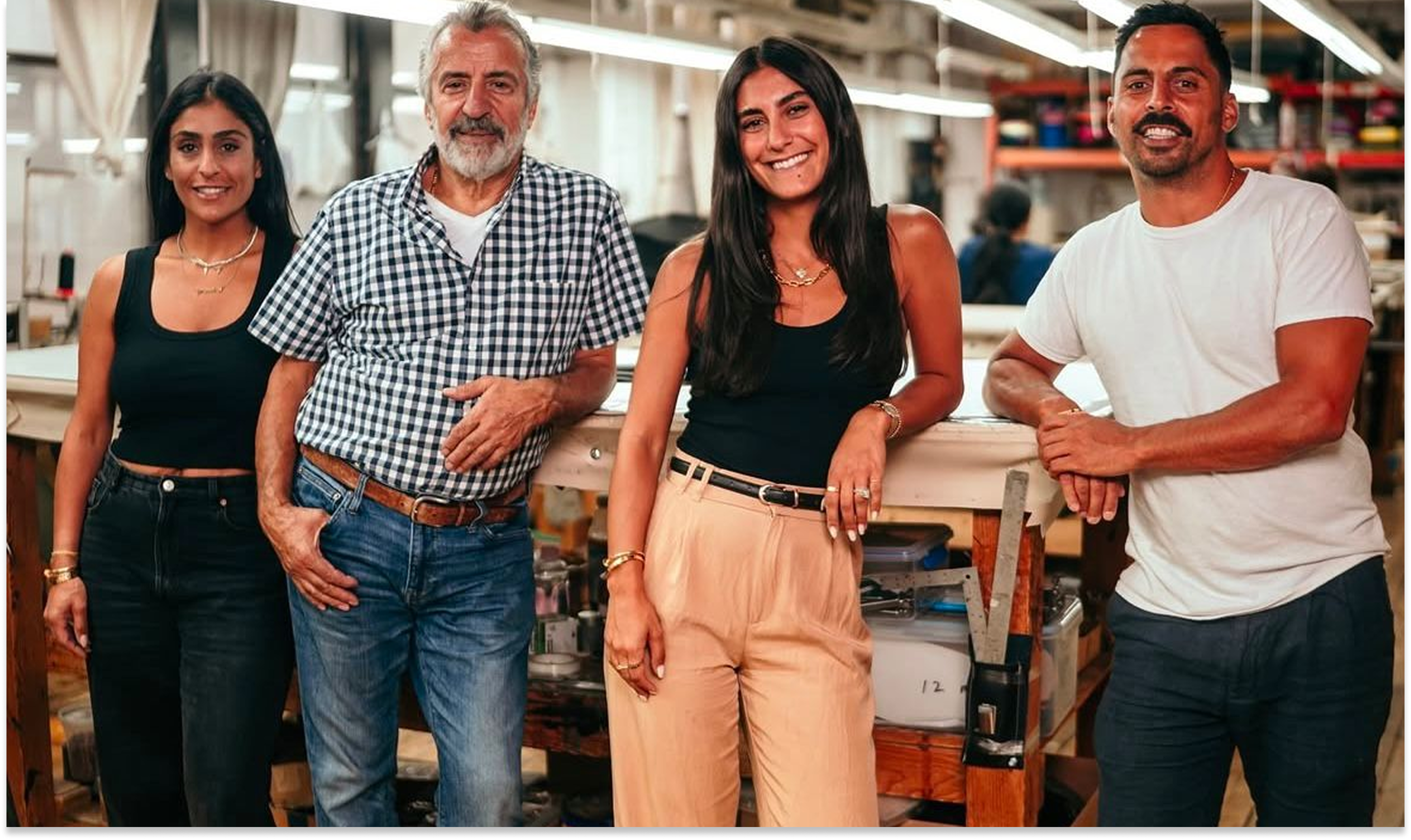
At Pietro NYC, that history reaches back to 1982. Every piece in the handmade leather handbags collection is built in Manhattan's Garment District by artisans who have spent careers refining a single craft.
Understanding Leather Handbag Quality Before You Buy

Leather is not one material. It is a spectrum, and where a piece sits on that spectrum determines almost everything about how it will age.
Full-grain leather is the outermost layer of the hide, left intact rather than sanded down. It keeps the natural grain, the small variations, and the density that make leather worth having. It is the most durable grade available, and it is the only one that develops a true patina, the soft sheen and deepened color that comes from years of handling.
Below that sit the grades most mass-market goods rely on:
- Top-grain leather: Sanded and refinished to remove imperfections. Smoother and more uniform, but thinner and less durable over time.
- Genuine leather: A term that sounds reassuring but simply means the material contains leather. Usually the lower layers of the hide, bonded and coated.
- Bonded leather: Scraps and fibers glued together and surfaced. It will peel.
Premium Italian leather carries its reputation for a reason. Italy's tanneries have refined vegetable tanning over generations, producing hides that are supple without being flimsy, richly colored without heavy coating, and structurally sound enough to hold a silhouette for decades.
When you are evaluating leather handbag quality, use your senses:
- Smell it. Real leather has a warm, organic scent. Plastic-heavy finishes smell chemical.
- Press it. Quality leather gives slightly and returns. It should not feel stiff like cardboard or slick like vinyl.
- Look at the edges. Cut edges should be finished, burnished, or painted cleanly, never raw and fraying.
- Check the grain. Natural variation is a good sign. Perfectly uniform texture often means an embossed synthetic layer.
Why Artisan Craftsmanship Still Matters

You can automate cutting. You can automate assembly. What you cannot automate is judgment.
An artisan reads the hide before touching it, working around natural marks and choosing which section suits which panel. That decision, repeated hundreds of times across a single collection, is the difference between a bag that holds its shape and one that sags at the shoulder within a year.
Signs of genuine artisan craftsmanship include:
- Even, tight stitching with consistent spacing, especially at stress points like strap attachments
- Reinforced hardware set into the leather rather than clipped on top
- Clean interior finishing with lining that is stitched, not glued
- Symmetry across matching panels, which requires careful cutting rather than fast pattern-stamping
- Hardware weight that feels substantial in the hand, not hollow
Structured pieces reveal craftsmanship most clearly, because there is nowhere to hide. A silhouette like the Park Ave holds its line because the leather was chosen and cut to do exactly that.
Local Makers, Global Names, and What Made in NYC Really Means

Where a bag is made shapes how it is made. Production distance introduces layers between the designer and the finished piece, and every layer is a place where standards can slip.
Buying from a maker who produces locally offers real advantages:
- Direct oversight. The people designing the bag can walk to where it is built.
- Smaller runs. Limited production allows attention that volume manufacturing cannot afford.
- Accountability. A local workshop answers for its own work.
- Skill continuity. Craft knowledge passes hand to hand, generation to generation, in one place.
Made in NYC carries specific weight in leather goods. The Garment District has been home to skilled manufacturing for over a century, and the artisans working there today inherited techniques from the people who trained them.
This is where Pietro's pieces come from. Whether it is the compact Chelsea Mini or a full-sized tote, each one is cut, stitched, and finished in the same Manhattan workshop.
Questions to Ask Before You Commit

A good maker welcomes questions. Consider asking:
What grade of leather is this, and where was it tanned? Specific answers signal specific sourcing.
- Where is it made? Not designed. Made.
- What is the hardware? Solid brass and quality plating outlast lightweight alloys.
- How is the lining attached? Stitched lasts. Glued does not.
- Can it be repaired? A maker who repairs is a maker who expects the piece to endure.
- How should I care for it? Detailed care guidance means the seller understands the material.
If the answers are vague, that vagueness is the answer.
Choosing Silhouettes That Stay Relevant
The most well-made bag in the world still disappoints if the shape stops working for your life. Enduring silhouettes tend to share certain qualities:
- Proportions that flatter across body types rather than following a seasonal extreme
- Hardware in classic finishes that will not date the piece
- Colors that anchor a wardrobe: cognac, black, deep navy, rich chestnut
- Function that matches your routine, whether that means hands-free carrying or room for a laptop
Different shapes serve different rhythms. A crossbody bag suits days that keep moving. A top-handle style brings polish to meetings and dinners. A hobo shoulder bag offers softness and ease for weekends.
Making the Choice
The real question is not which store has the best selection. It is which maker will still be making the same quality piece in ten years, and whether the bag you buy today will still be worth carrying then.
Look for transparency about materials. Look for evidence of skilled hands. Look for a history long enough to prove the standard holds. Those signals are consistent, whether you are browsing a website or standing in a shop.
If you would like guidance on which piece suits your daily rhythm, reach out to the Pietro NYC team. A short conversation is often all it takes to find the one you will still be carrying years from now.
Frequently Asked Questions
What should I look for when comparing leather brands or stores?
Focus on material transparency, construction details, and manufacturing location. A maker who names the leather grade, explains where the piece is built, and offers repair services is telling you the bag was made to last. Vague language about materials or origin usually signals the opposite.
Is full-grain leather worth the higher price?
Yes, if you plan to keep the bag. Full-grain leather retains the strongest, densest layer of the hide, which means it resists wear and develops character rather than deteriorating. A full-grain piece often outlasts several cheaper bags, making the cost per year of use considerably lower.
What does "genuine leather" actually mean?
It means the product contains leather, and little more. The term typically describes lower layers of the hide that have been bonded, coated, and surfaced to resemble higher grades. It sits well below full-grain and top-grain in both durability and appearance.
Are local leather makers better than large brands?
Not automatically, but local production tends to allow closer oversight and smaller batches. When designers work near the artisans building the pieces, standards are easier to maintain. What matters most is whether the maker can clearly explain their materials and process.
How can I tell if a leather bag is well made?
Check the stitching for even spacing and tightness, especially where straps attach. Look at edge finishing, hardware weight, and whether the lining is stitched or glued. Well-made pieces hold their shape when set down and feel substantial in the hand.
How long should a quality leather handbag last?
With reasonable care, a well-constructed full-grain leather bag can last decades. Many improve with age as the leather softens and deepens in color. Occasional conditioning and storage away from direct sunlight are usually all that is required.